By: Emma Sevening
When a professional athlete goes down mid-game with an injury, there are many protections in place to support that player through their recovery. Most professional leagues have Collective Bargaining Agreements that have historically focused on player insurance, return to play guidelines, and disability policies for physical injuries.[1] The gap between physical injuries and mental health in athletics has persisted for quite some time.[2] As mental health has become a topic of discussion in recent years, professional sports leagues are increasingly developing formal mental health protections. This shift raises questions about whether mental and physical injuries are afforded equivalent legal protections across professional sports.
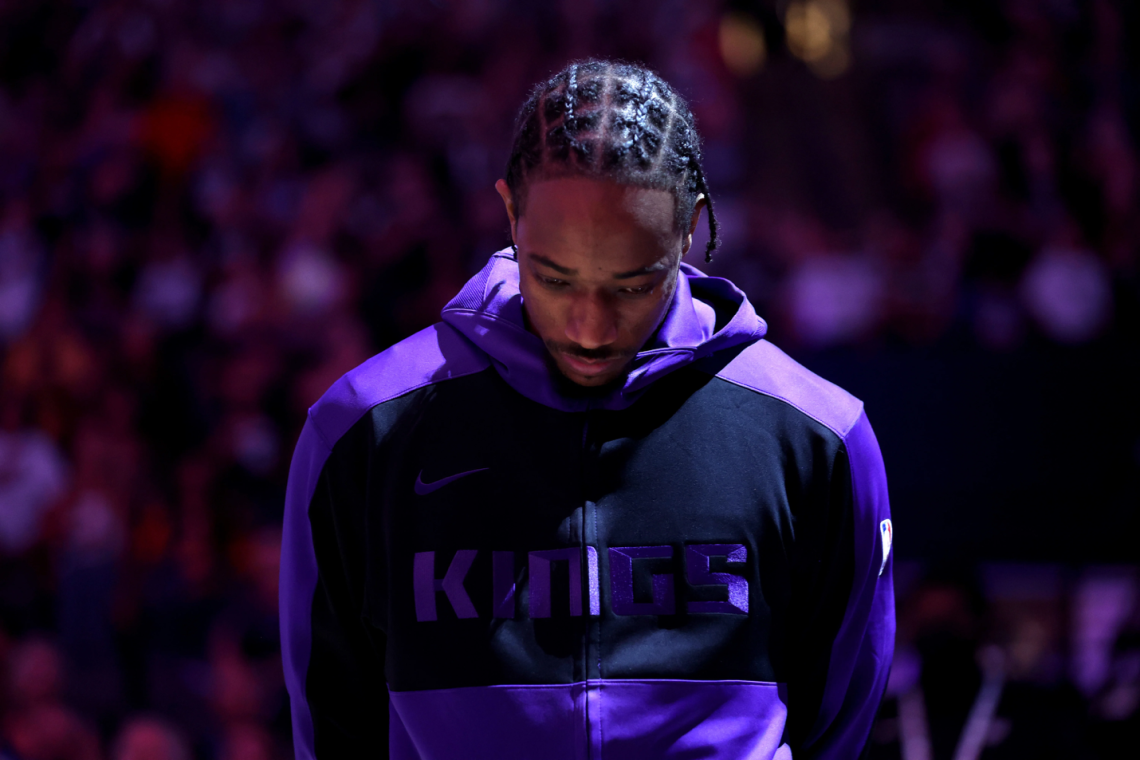
In 2018, NBA All-Star DeMar DeRozan brought national attention to athlete mental health with a seven-word tweet: “This depression get the best of me…”[3] DeRozan’s public acknowledgement of depression intensified conversations about mental health in athletics and marked a turning point in professional sports.[4] In the years that followed, the NBA began implementing structural reforms aimed at improving mental health protections for its players.[5] The league launched mental health initiatives and incorporated formal mental health leave and wellness provisions into its 2023 Collective Bargaining Agreement.[6]
The NBA’s response is part of a broader shift across professional sports to better protect the mental health of athletes.[7] Many leagues have expanded access to mental health professionals for players and introduced wellness programs.[8] Despite these developments, mental health protections remain less standardized than the formal systems that traditionally govern athlete health. Physical injuries are addressed through frameworks such as injury insurance, workers’ compensation, and structured return to play protocols with team doctors.[9] On the other hand, an athlete with a mental health crisis typically relies on individualized access to a team psychologist and wellness resources rather than a uniform, codified response system comparable to that used for physical injury.[10]
This disparity is particularly evident in the structure of most Collective Bargaining Agreements and individual player contracts, which have historically emphasized physical injuries alone.[11] Many professional contracts include guaranteed compensation during injury, meaning that if a player gets injured, they will still be paid the full salary according to their contract.[12] Additionally, players have health insurance that protects them in the case of physical injury along with strict return to play protocols.[13] These provisions within professional Collective Bargaining Agreements and player contracts typically refer to physical injuries and historically contain few explicit references to mental health.[14] This imbalance highlights how contractual injury protections have been developed primarily around physical harm, leaving mental health frameworks out of the mix.[15]
The imbalance between contractual protections for physical injuries and mental illness carries important implications for how professional sports approach athlete well-being. When injury frameworks are clearly defined, athletes benefit from predictable procedures that govern leave, compensation, and recovery.[16] Regarding mental health, less formalized protections can create uncertainty about how a psychological crisis will be addressed. Instead of a detailed plan in a contract or bargaining agreement, most athletes are directed to help lines or psychologists with little guidance on returning to play.[17]
As professional sports leagues continue to recognize mental health as a part of workplace safety, labor frameworks will likely evolve to reflect a broader conception of athlete protection that includes psychological well-being. Recent reforms demonstrate growing league recognition of mental health overall; however, the disparity between physical and mental injury protections remains. Continued development of formal mental health provisions is essential as leagues adapt athlete care formulas to include mental wellness. Moving towards harmony between physical and psychological protection is an important step to better protect professional athletes.
[1] Michael Giusti, How Sports Are Insured, Insurance Thought Leadership (Oct. 23, 2024), https://www.insurancethoughtleadership.com/ [https://perma.cc/NZA7-APX7].
[2] Pritha Sarkaw, Mbappe says mental health remains taboo in elite sports, Reuters (Sept. 10, 2025, at 03:53 MST), https://www.reuters.com/ [https://perma.cc/2F2L-F4BC].
[3] Philip Drost, How DeMar DeRozan changed the conversation around mental health in basketball, CBC Radio-Canada (Sept. 16, 2024, at 01:00 MST),https://www.cbc.ca/ [https://perma.cc/FT9U-GYK3].
[4] Id.
[5] Id.
[6] The NBA’s New CBA: Implications for Players and Fans, First and Pen (Nov. 20, 2024), https://firstandpen.com/ [https://perma.cc/5NVQ-DYAF].
[7] Brook Choulet, What Are Pro Sports Teams Doing for Athlete Mental Health, Psychology Today (Nov. 15, 2023),https://www.psychologytoday.com/ [https://perma.cc/PL6H-WCSG].
[8] Id.
[9] Darren Rovell, Teams face workers’ comp threat, ESPN (Aug. 30, 2021, at 08:08 ET), https://www.espn.com/ [https://perma.cc/RX97-78FG].
[10] Choulet, supra note 7.
[11] What is Collective Bargaining in Professional Sports?, STU Online (July 17, 2020), https://online.stu.edu/ [https://perma.cc/QPQ9-4C7A].
[12] Giusti, supra note 1.
[13] Id.
[14] Choulet, supra note 7.
[15] Id.
[16] See NFL Return-To-Participation Protocol, NFL Player Health & Safety (June 20, 2017), https://www.nfl.com/ [https://perma.cc/P9AB-96YG].
[17] Choulet, supra note 7.